Monthly Archives

June 2012

Huey-Han + Yee-Siang = j.u.s.t. m.a.r.r.i.e.d.

By Photography
Congratulations to Huey-Han and Yee-Siang

Congratulations to Huey-Han and Yee-Siang

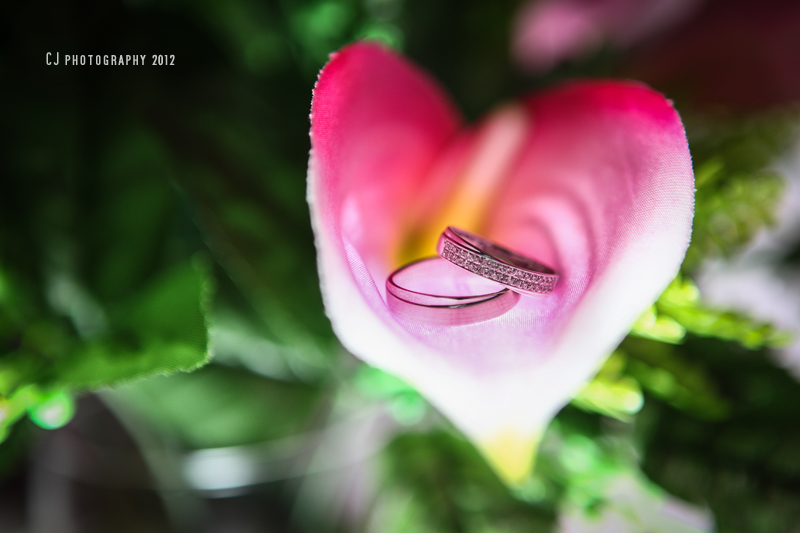
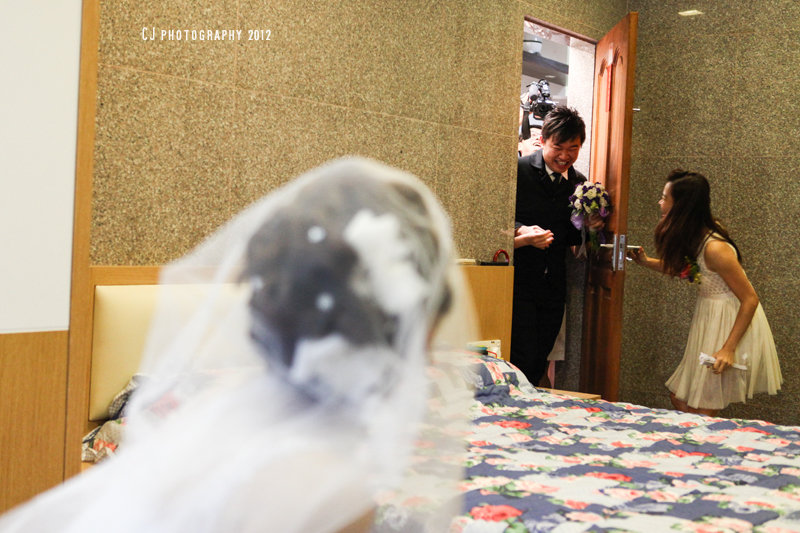
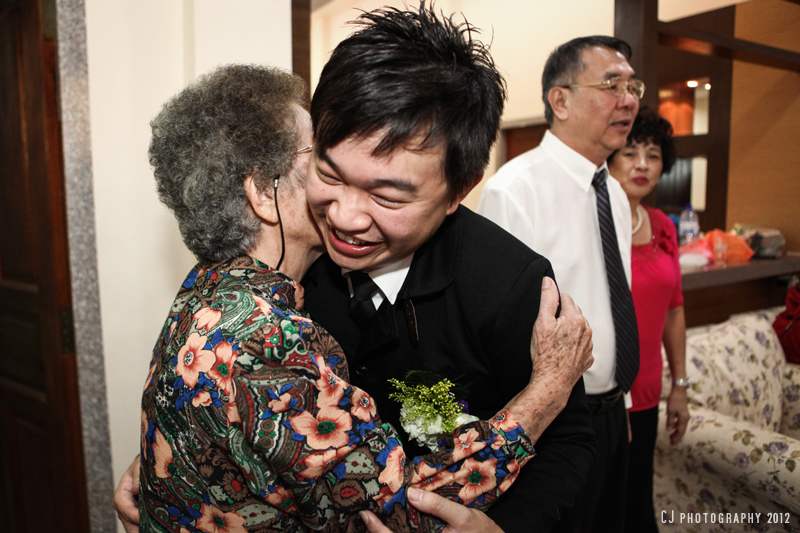
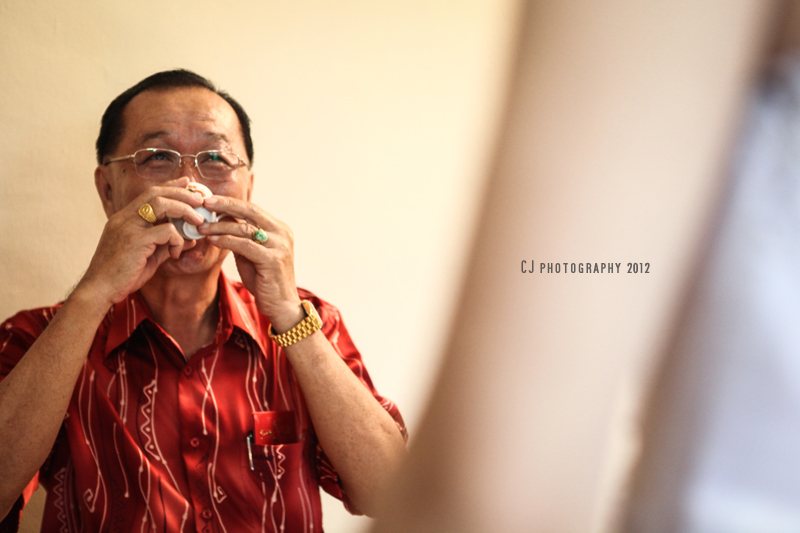
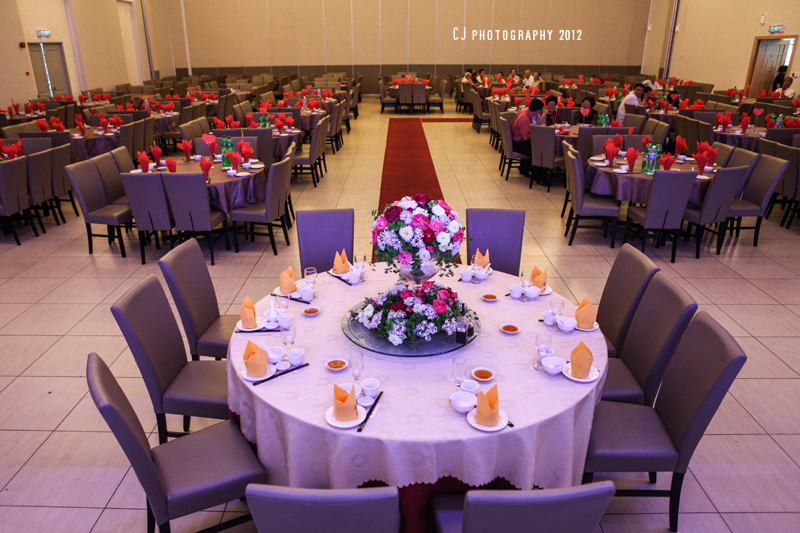
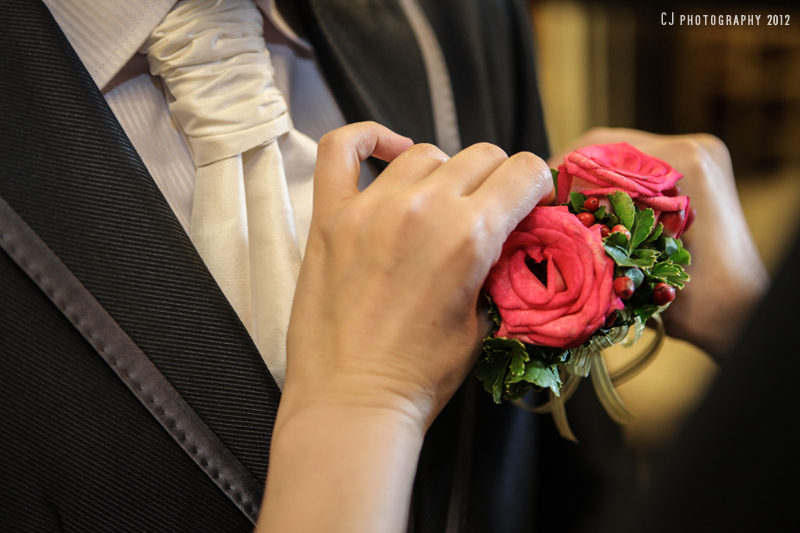
My last wedding for May was Huey-Han and Yee-Siang’s. I had the pleasure of capturing the their wedding in Melaka on a fantastic day.

Congratulations and thanks guys. May the best of your todays be the worst of your tomorrows.

Sharing shots captured. May all beings bEE happy.

‘Legless’ climber scales Mount Kilimanjaro to bring clean water to East Africa

By Compassion
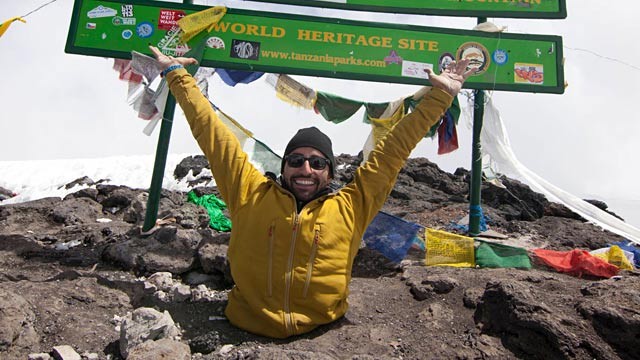
Double amputee Spencer West reaches peak of Mount Kilimanjaro, June 19, 2012, in Tanzania. (image from Free The Children/PRNewsFoto)

Double amputee Spencer West reaches peak of Mount Kilimanjaro, June 19, 2012, in Tanzania. (image from Free The Children/PRNewsFoto)

For most people, climbing Africa’s tallest mountain is an impossible achievement. But how about doing it without legs?

For Spencer West, nothing is impossible. Or as he would put it: everything is possible.

Nearly all of the 31-year-old American’s life has proven the doctors wrong. When they amputated both of his legs right below the pelvis when he was 5, they warned that he would never be a functioning member of society. But West has led not only led a life that is remarkably normal compared to his doctors’ prognosis – he has accomplished feats that, by any measure, are extraordinary.

Nothing is more extraordinary than his latest accomplishment: taking 20,000 “steps” to the top of Mount Kilimanjaro in Kenya. Elevation: 19,300 feet. He climbed 80 percent of it on his hands – propelling his torso forward, one hand after another, along the trail for eight days. In a conversation with ABC News on the phone after he descended, his voice sounded strong – but he admitted his arms were a little sore and his hands a little cut up and bruised.

“It’s literally climbing the largest mountain on Africa on your hands,” he said. “I don’t know if it can get much more challenging than that.”

West hopes that people who hear about his accomplishment will be inspired to believe that nothing is impossible. Or, as he puts it, he hopes that people will “redefine their own possible.”

“To use myself as an example – that if I enter life without legs and climb the largest mountain in Africa and overcome that challenge, what more can you do in your daily lives to define what’s possible for you?” he asked. “We all have the ability to redefine what is possible — whether you’re missing your legs or not. Everyone has challenges and challenges can be overcome.”

Even before Kilimanjaro, West had already overcome so much. He was born with a genetic disorder called sacral agenesis, which left his legs permanently crossed and his spine underdeveloped. He had two operations as a baby; the second cut off his legs for good.

But he says his parents instilled him with confidence that he could do anything he wanted, and that has given him the “strong backbone” that he was born without.

“From the day I was born they treated me just like everyone else, and they wanted me to have the same dreams and aspirations as everyone else did,” he said. “I’ve just always seem myself as a regular person. I’ve never seen myself as a person without legs. I’m only reminded of that when I’m out in public.”

He graduated from college and landed a well-paying job as an operations manager for a salon and spa. He drove a specially designed car that he could control with his hands, owned a house, and had a good life. But it took a trip to Kenya with the charity Free the Children to help him realize that he wasn’t happy.
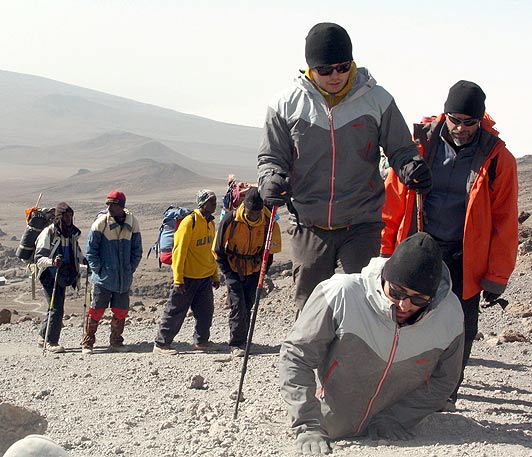
Spencer West lost his legs when he was five. The Toronto-based 31-year-old reached the summit of Mount Kilimanjaro at 11:15 a.m. Monday. (image from www.voiceonline.com)

Spencer West lost his legs when he was five. The Toronto-based 31-year-old reached the summit of Mount Kilimanjaro at 11:15 a.m. Monday. (image from www.voiceonline.com)

He realized he wanted to do more from his life and returned to Kenya a second time. There, he remembers being confronted by a little girl. “She said to me, ‘I didn’t know white people had conditions like yours.'” He realized that his life might be an inspiration for others.

“I wanted a job that not only paid well, but made the world a little bit of a better place,” he said today by phone. “That’s what I found in Kenya – not only how to use my story as a career, but then how to use that to give back to these incredible people that have given me so much. And that is wasn’t really so much about material possessions, but actually helping others that made me happy.”

He became a motivational speaker for the organization Me to We, founded by the same people as Free the Children, and started encouraging audiences to overcome their challenges. He decided the climb Kilimanjaro to raise $750,000 for the Kenyans who had “helped me find my passion,” he said.

The money would build three boreholes and provide clean water to hundreds of thousands for those who have been struggling from Africa’s worst drought in 60 years. In Kenya and the surrounding countries, the drought has poisoned millions of Africans’ clean drinking water and killed off livestock that was once their sole source of income. Increasingly, children are being forced to work at home instead of go to school.

It took West and his two best friends one year to train to climb Africa’s tallest peak.

The day he saw the peak, he says, will be one of the most memorable of his life.

“The moment the summit was within sight was incredible,” he wrote on his blog during the ascent. “After seven grueling days of relentless climbing, after 20,000 feet of our blood, sweat and tears (and, let’s face it, vomit) we had actually made it. We were at the top. The summit sign seemed almost like a mirage.”

But it was not a mirage, and West redefined what was possible for him – and, he hopes, for anyone who comes across his story.

“Small things like learning to swim, or learning to drive standard for the first time, or maybe even it’s taking an hour and reading to their kids,” he said. “Small little steps to redefine what’s possible in their own lives as well, as I’ve done with mine.”

by Nick Schifrin
[source : http://abcnews.go.com/International/man-climbs-mt-kilimanjaro-hands/story?id=16622673&page=2#.T-vKnxfZTsY]


“白害”破坏大马环保生態‧年弃20亿保丽龙饭盒

By Wisdom
Styrofoam cups (image from Ace Gallery)

Styrofoam cups (image from Ace Gallery)

(吉隆坡17日讯)保丽龙(Styrofoam)已成为地球上破坏环境的祸首之一;在公民和环保意识有待加强的马来西亚,每年被丟弃的保丽龙饭盒多达20亿个,全部成为了“歷久不衰”的垃圾。

根据数据显示,国人每年丟弃的保丽龙饭盒垃圾重达3万公吨,若以每个饭盒15克的重量计算,即表示我们每年製造20亿个饭盒垃圾。

曹智雄:难分解应少用

房屋及地方政府部长拿督斯里曹智雄对星洲日报说,政府在观察国人使用保丽龙餐具的情况,虽然还未计划全面禁止,不过会鼓励人们尽量减少使用保丽龙。

保丽龙的学名叫作发泡聚苯乙烯,这些经得起数百年的风吹雨打而不腐化的白色污染物,对海洋生態的破坏是无法预计的。

保丽龙非生物可分解,不能变成堆肥,如果放入水中很长时间,会分解成小颗粒,能存在好几千年。清理海滩要花上好几百万美元。

在讲求方便的速食时代,保丽龙免洗餐具在我国被大量使用。虽然很多国家如中国和美国已禁用保丽龙餐具,但在大马,每年约有3万公吨的保丽龙餐具被推出市面,使用后被丟弃,回收量接近零。

这些垃圾只是饭盒而已,还不包括包装电器或大物件用的保丽龙保装盒。

现阶段仅檳岛禁用

目前只有槟岛市政局实行禁用保丽龙政策,其他地方政府则没有这方面的管制。

曹智雄说,槟岛市政局也还属於初步推行的阶段,所以该部会先观察这项措施的成效,目前未有计划在全国推行禁用保丽龙措施。

2010年7月,槟岛市政局首开先河,实行禁保丽龙政策,其第一阶段的对象仅是市政局食肆。迈入2011年,开始扩大禁用的对象,诸如霸级市场、夜市场、私人小贩中心等。

直至今年4月,行动进一步升级,来到全面禁用的阶段,並估计在11月起,保丽龙会在槟岛绝跡。

报导 : 戴丽佳
[source : http://www.sinchew.com.my/node/251105?tid=1]

10 things you can do to save the ocean

By Wisdom
Pod of dolphins (image by Tony Rath)

Pod of dolphins (image by Tony Rath)

1. Mind Your Carbon Footprint and Reduce Energy Consumption
Reduce the effects of climate change on the ocean by leaving the car at home when you can and being conscious of your energy use at home and work. A few things you can do to get started today: Switch to compact fluorescent light bulbs, take the stairs, and bundle up or use a fan to avoid oversetting your thermostat.

2. Make Safe, Sustainable Seafood Choices 
Global fish populations are rapidly being depleted due to demand, loss of habitat, and unsustainable fishing practices. When shopping or dining out, help reduce the demand for overexploited species by choosing seafood that is both healthful and sustainable.

3. Use Fewer Plastic Products 
Plastics that end up as ocean debris contribute to habitat destruction and entangle and kill tens of thousands of marine animals each year. To limit your impact, carry a reusable water bottle, store food in nondisposable containers, bring your own cloth tote or other reusable bag when shopping, and recycle whenever possible.

4. Help Take Care of the Beach
Whether you enjoy diving, surfing, or relaxing on the beach, always clean up after yourself. Explore and appreciate the ocean without interfering with wildlife or removing rocks and coral. Go even further by encouraging others to respect the marine environment or by participating in local beach cleanups.

5. Don’t Purchase Items That Exploit Marine Life
Certain products contribute to the harming of fragile coral reefs and marine populations. Avoid purchasing items such as coral jewelry, tortoiseshell hair accessories (made from hawksbill turtles), and shark products.

6. Be an Ocean-Friendly Pet Owner
Read pet food labels and consider seafood sustainability when choosing a diet for your pet. Never flush cat litter, which can contain pathogens harmful to marine life. Avoid stocking your aquarium with wild-caught saltwater fish, and never release any aquarium fish into the ocean or other bodies of water, a practice that can introduce non-native species harmful to the existing ecosystem.

7. Support Organizations Working to Protect the Ocean
Many institutes and organizations are fighting to protect ocean habitats and marine wildlife. Find a national organization and consider giving financial support or volunteering for hands-on work or advocacy. If you live near the coast, join up with a local branch or group and get involved in projects close to home.

8. Influence Change in Your Community
Research the ocean policies of public officials before you vote or contact your local representatives to let them know you support marine conservation projects. Consider patronizing restaurants and grocery stores that offer only sustainable seafood, and speak up about your concerns if you spot a threatened species on the menu or at the seafood counter.

9. Travel the Ocean Responsibly

Practice responsible boating, kayaking, and other recreational activities on the water. Never throw anything overboard, and be aware of marine life in the waters around you. If you’re set on taking a cruise for your next vacation, do some research to find the most eco-friendly option.

10. Educate Yourself About Oceans and Marine Life
All life on Earth is connected to the ocean and its inhabitants. The more you learn about the issues facing this vital system, the more you’ll want to help ensure its health—then share that knowledge to educate and inspire others.

[source: http://ocean.nationalgeographic.com/ocean/take-action/10-things-you-can-do-to-save-the-ocean/]

Shin-Yee + Jun-Liang = j.u.s.t. m.a.r.r.i.e.d.

By Photography
Congratulation to Shin-Yee and Jun-Liang!

Congratulation to Shin-Yee and Jun-Liang!

It was an afternoon filled with happy moments of the sweet couple Shin-Yee and Jun-Liang, and all invited guests. The wedding luncheon was held at SKT Banquet Restaurant in Muar and it was simply beautiful, simple and full of laughters.

I really enjoyed when the bride and groom performed the Chinese song ‘I will marry you today’ (今天你要嫁给我) by David Tao and Jolin Tsai. It was so sweet. Later some of the relatives and friends were performing on stage too and just simply having fun.

Congratulations Shin-Yee and Jun-Liang! Thank you for sharing your wedding day. May your marriage bring you both the exquisite excitements a marriage should bring, and may life grant you also patience, tolerance, and understanding.

May all beings bEE happy. Sharing some shots of the reception,